![http://UPSC%20coaching%20in%20India%20-%20Best%20UPSC%20coaching%20institute%20-%20UPSC%20Mentor%20coaching%20-%20UPSC%20preparation%20institute%20-%20IAS%20coaching%20center%20-%20UPSC%20online%20coaching%20-%20Best%20IAS%20coaching%20in%20India%20-%20UPSC%20classes%20for%20beginners%20-%20Civil%20services%20preparation%20-%20IAS%20preparation%20institute%20-%20UPSC%20mentorship%20program%20-%20UPSC%20exam%20guidance%20-%20IAS%20study%20material%20-%20UPSC%20Prelims%20coaching%20-%20UPSC%20Mains%20coaching%20-%20UPSC%20interview%20preparation%20-%20Best%20IAS%20online%20classes%20-%20UPSC%20coaching%20with%20personal%20mentorship%20-%20Affordable%20UPSC%20coaching%20-%20UPSC%20test%20series%20-%20UPSC%20coaching%20near%20me%20-%20Best%20IAS%20coaching%20near%20me%20-%20UPSC%20institute%20in%20[your%20city]%20-%20IAS%20coaching%20center%20in%20[your%20city]%20-%20The%20UPSC%20Mentor%20coaching%20-%20The%20UPSC%20Mentor%20IAS%20classes%20-%20The%20UPSC%20Mentor%20UPSC%20course%20-%20UPSC%20Mentor%20online%20program.](https://theupscmentor.in/wp-content/uploads/2024/11/THE-UPSC-2-e1762319162137.png)
 admin
admin 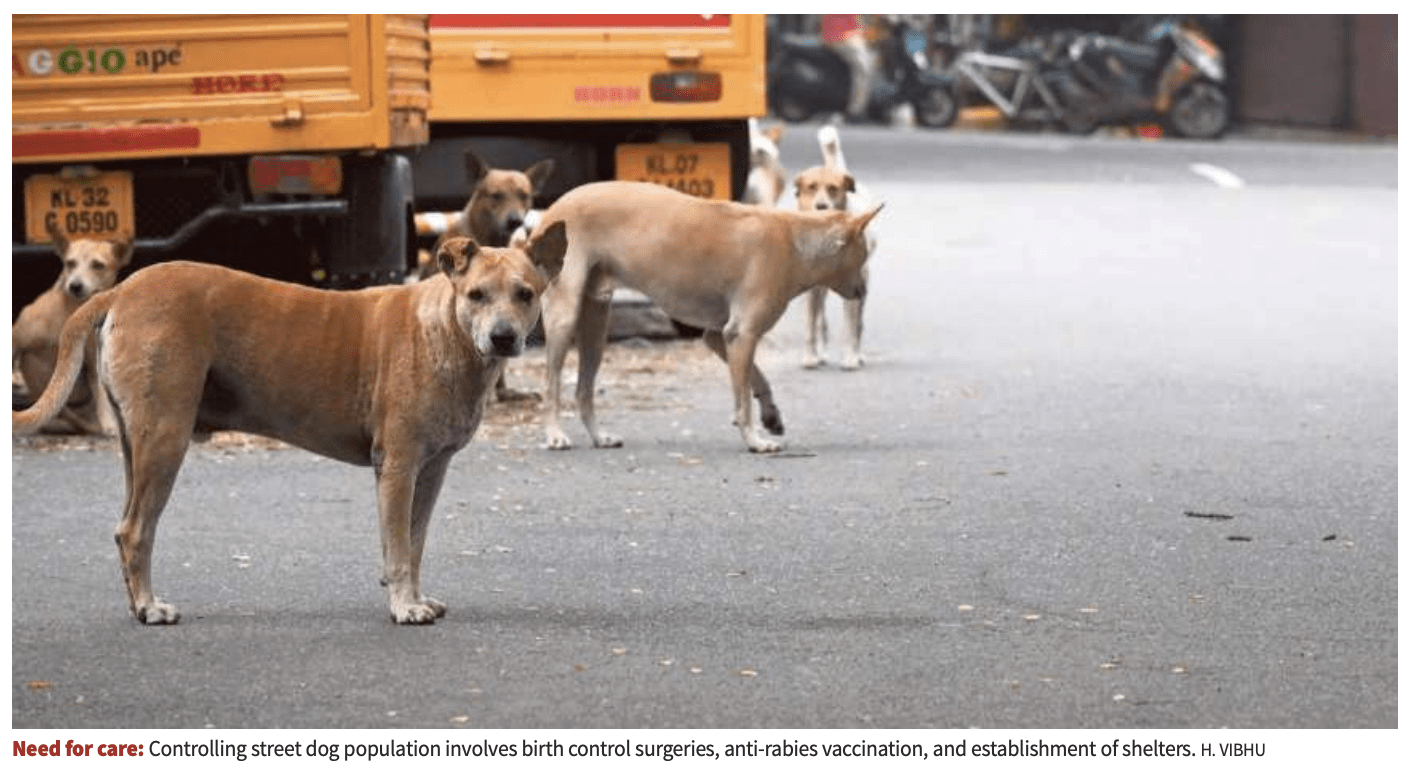
Background (Why this is in news)
0.1 Rabies continues to be a major public health problem in India, with the country accounting for around one-third of global rabies deaths every year.
0.2 Despite being a 100% vaccine-preventable disease, gaps in awareness, accessibility, availability, and affordability of treatment have kept rabies fatal for the poorest sections.
0.3 The article highlights ground-level realities, research findings, and policy gaps that explain the persistent rabies burden in India.
Scale of the Rabies Burden in India
0.1 Of the 59,000 rabies-mediated human deaths globally each year, India accounts for around 20,000 deaths, the highest for any country.
0.2 Rabies is endemic in India, with dogs acting as the main reservoir of the virus.
0.3 The disease disproportionately affects daily wage workers, rural populations, and those living close to free-ranging dogs.
Nature of the Disease
0.1 Rabies is a neurotropic virus that spreads through the peripheral nerves to the brain.
0.2 Symptoms may appear days, weeks, or months after a bite, beginning with paralysis and ending in cardio-respiratory failure.
0.3 Once symptoms appear, rabies is almost always fatal.
Post-Exposure Prophylaxis (PEP): What is Required
0.1 Post-exposure prophylaxis (PEP) includes immediate wound washing with soap and running water for 15 minutes.
0.2 This must be followed by anti-rabies vaccination (ARV) and, in severe cases, rabies immunoglobulin (RIG).
0.3 Doctors emphasise that one vaccine dose is insufficient; the full course is essential.
Economic and Access Barriers
0.1 India’s high out-of-pocket health expenditure makes rabies treatment unaffordable for many poor families.
0.2 In several cases, families were unable to arrange RIG, which is costly and often unavailable in public hospitals.
0.3 RIG shortages are common, and supplies are often restricted to severe bites.
Findings from Recent Studies
0.1 A January 2025 study in The Lancet Infectious Diseases covered 3,37,808 individuals across 60 districts in 15 States.
0.2 Among dog-bite victims, 20.5% did not receive ARV, and 25.4% did not complete the vaccination course.
0.3 These gaps significantly increase the risk of preventable rabies deaths, reinforcing the rabies burden in India.
Free-Ranging Dogs and Policy Challenges
0.1 India has an estimated 80 million free-ranging dogs, with around 20 million dog bites annually.
0.2 Although dog sterilisation and vaccination programmes exist, current efforts remain insufficient.
0.3 Experts note that reliance solely on Animal Birth Control–Anti Rabies Vaccination (ABC–ARV) without effective implementation limits impact.
Vaccine Availability and Production Issues
0.1 India requires around 80 million ARV doses annually but produces only 50 million, of which 15 million are exported.
0.2 Rabies monoclonal antibodies (RmAbs) are cheaper alternatives to RIG but are not yet included in national guidelines.
0.3 Experts stress the need to scale up domestic production and ensure public hospital availability.
What Needs to Be Done
0.1 Focus on source control through mass vaccination and sterilisation of dogs.
0.2 Strengthen public health infrastructure to ensure PEP and RIG availability.
0.3 Improve awareness about wound washing and early treatment.
0.4 Enhance coordination across institutions under a One Health framework.
Why this issue is important for UPSC
0.1 Links public health, poverty, and governance (GS-II).
0.2 Highlights challenges in healthcare access, out-of-pocket expenditure, and preventive care (GS-II, GS-III).
0.3 Relevant for zoonotic diseases, One Health approach, and SDG 3.
Key Takeaway
0.1 The rabies burden in India reflects not a medical failure but a systemic one, where poverty, weak health systems, and policy gaps keep a preventable disease deadly.
![UPSC coaching in India - Best UPSC coaching institute - UPSC Mentor coaching - UPSC preparation institute - IAS coaching center - UPSC online coaching - Best IAS coaching in India - UPSC classes for beginners - Civil services preparation - IAS preparation institute - UPSC mentorship program - UPSC exam guidance - IAS study material - UPSC Prelims coaching - UPSC Mains coaching - UPSC interview preparation - Best IAS online classes - UPSC coaching with personal mentorship - Affordable UPSC coaching - UPSC test series - UPSC coaching near me - Best IAS coaching near me - UPSC institute in [your city] - IAS coaching center in [your city] - The UPSC Mentor coaching - The UPSC Mentor IAS classes - The UPSC Mentor UPSC course - UPSC Mentor online program.](https://theupscmentor.in/wp-content/uploads/2025/11/cropped-THE-UPSC-1.png)