![http://UPSC%20coaching%20in%20India%20-%20Best%20UPSC%20coaching%20institute%20-%20UPSC%20Mentor%20coaching%20-%20UPSC%20preparation%20institute%20-%20IAS%20coaching%20center%20-%20UPSC%20online%20coaching%20-%20Best%20IAS%20coaching%20in%20India%20-%20UPSC%20classes%20for%20beginners%20-%20Civil%20services%20preparation%20-%20IAS%20preparation%20institute%20-%20UPSC%20mentorship%20program%20-%20UPSC%20exam%20guidance%20-%20IAS%20study%20material%20-%20UPSC%20Prelims%20coaching%20-%20UPSC%20Mains%20coaching%20-%20UPSC%20interview%20preparation%20-%20Best%20IAS%20online%20classes%20-%20UPSC%20coaching%20with%20personal%20mentorship%20-%20Affordable%20UPSC%20coaching%20-%20UPSC%20test%20series%20-%20UPSC%20coaching%20near%20me%20-%20Best%20IAS%20coaching%20near%20me%20-%20UPSC%20institute%20in%20[your%20city]%20-%20IAS%20coaching%20center%20in%20[your%20city]%20-%20The%20UPSC%20Mentor%20coaching%20-%20The%20UPSC%20Mentor%20IAS%20classes%20-%20The%20UPSC%20Mentor%20UPSC%20course%20-%20UPSC%20Mentor%20online%20program.](https://theupscmentor.in/wp-content/uploads/2024/11/THE-UPSC-2-e1762319162137.png)
 admin
admin 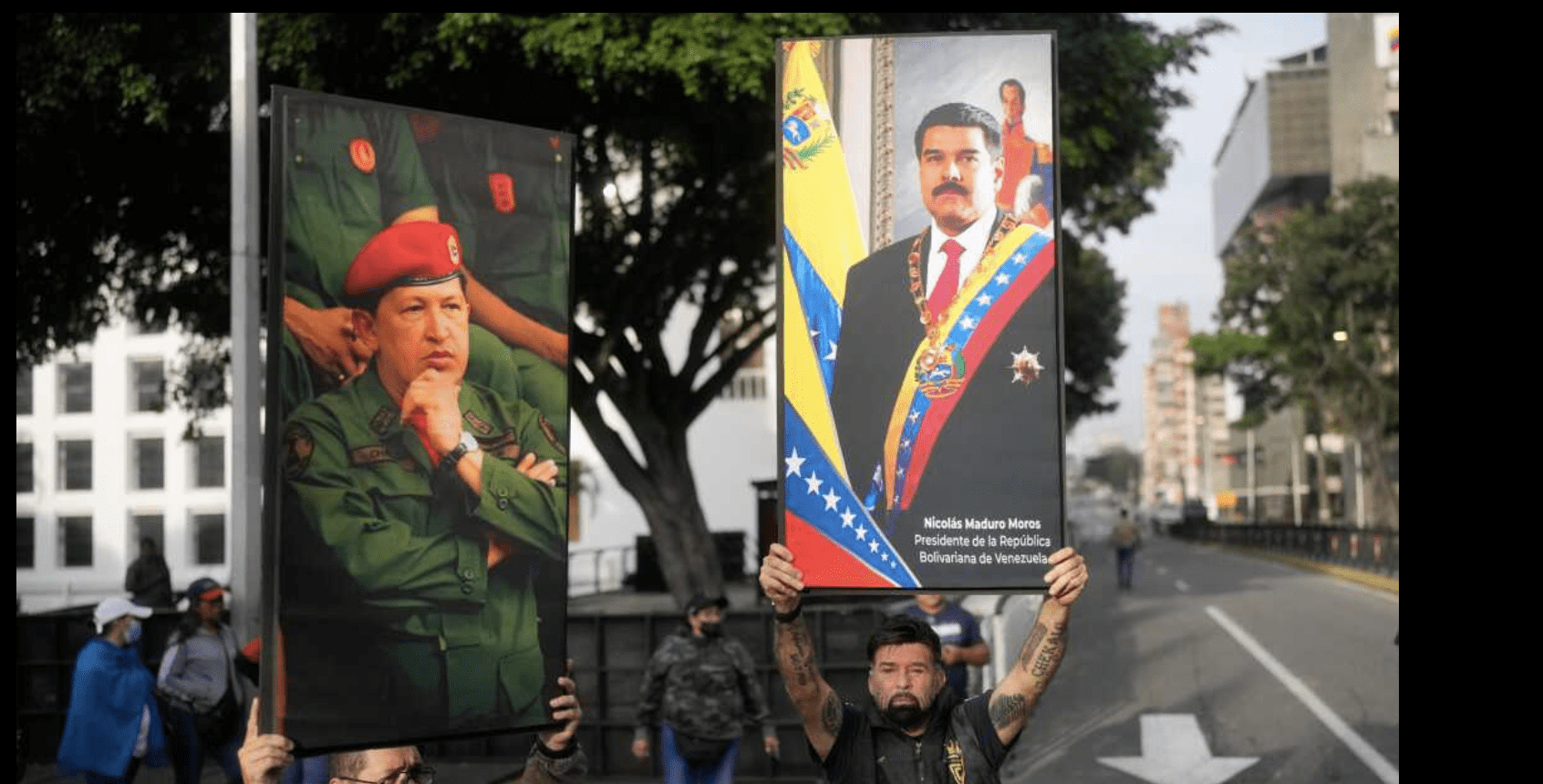
0.1 Context: Renewed US interventionist posture
0.1.1 Since last year, Donald Trump has asserted military force across regions, marking a shift from restraint.
0.1.2 The US operation in Venezuela, explicitly linked to oil interests, is described as the most alarming instance of this approach.
0.2 Capture of Nicolás Maduro and justification
0.2.1 US forces carried out the audacious capture of Nicolás Maduro, evoking comparisons with earlier US interventions.
0.2.2 Trump justified the action as consistent with the Monroe Doctrine, a 200-year-old US foreign policy framework asserting dominance in the Western Hemisphere.
0.3 Revival and rebranding of the Monroe Doctrine
0.3.1 The Monroe Doctrine (1823) was historically used by the United States to oppose European involvement in Latin America.
0.3.2 Trump has rebranded it as the “Don-roe Doctrine”, signalling a return to direct US interventionism in the region.
0.4 Pattern of US force projection under Trump
0.4.1 Over the past year, the United States has demonstrated a growing willingness to use military power globally.
0.4.2 Actions cited include US airstrikes in Syria and Nigeria, threats of intervention in Iran, and attacks on Houthis in Yemen, militants in Somalia, and armed groups in Iraq.
0.5 Why Venezuela is central to US strategy
0.5.1 Venezuela holds the largest proven crude oil reserves in the world, estimated at over 300 billion barrels.
0.5.2 Despite this, Venezuela produces only about 1 million barrels per day, accounting for less than 1% of global output.
0.5.3 Trump stated that the United States would take control of Venezuela’s oil reserves and allow US companies to invest billions of dollars to revive the sector.
0.6 Political uncertainty and regime outcome in Venezuela
0.6.1 It remains unclear whether the United States intends to occupy Venezuela or facilitate a leadership change in Caracas.
0.6.2 Nicolás Maduro retained power for a third term amid disputed elections, while opposition leaders remain exiled or politically sidelined.
0.6.3 The absence of US troops on Venezuelan soil makes any political transition difficult to organise.
0.7 Oil revival: potential and constraints in Venezuela
0.7.1 Venezuela’s oil infrastructure is ageing and poorly maintained, requiring years of work and billions of dollars in investment.
0.7.2 Even if production increases, experts do not expect immediate global price shocks, as the international oil market remains well supplied.
0.8 What this means for India
0.8.1 India is insulated in the short term, as Indian refiners currently do not import crude oil from Venezuela.
0.8.2 India is the world’s third-largest crude consumer and depends on imports for over 88% of its oil needs.
0.8.3 In October 2023, the United States temporarily eased sanctions on Venezuela’s petroleum sector, allowing Indian refiners to briefly resume imports.
0.8.4 These imports stopped again when the sanctions waiver was not extended, and no Venezuelan oil has entered India for months.
![UPSC coaching in India - Best UPSC coaching institute - UPSC Mentor coaching - UPSC preparation institute - IAS coaching center - UPSC online coaching - Best IAS coaching in India - UPSC classes for beginners - Civil services preparation - IAS preparation institute - UPSC mentorship program - UPSC exam guidance - IAS study material - UPSC Prelims coaching - UPSC Mains coaching - UPSC interview preparation - Best IAS online classes - UPSC coaching with personal mentorship - Affordable UPSC coaching - UPSC test series - UPSC coaching near me - Best IAS coaching near me - UPSC institute in [your city] - IAS coaching center in [your city] - The UPSC Mentor coaching - The UPSC Mentor IAS classes - The UPSC Mentor UPSC course - UPSC Mentor online program.](https://theupscmentor.in/wp-content/uploads/2025/11/cropped-THE-UPSC-1.png)