![http://UPSC%20coaching%20in%20India%20-%20Best%20UPSC%20coaching%20institute%20-%20UPSC%20Mentor%20coaching%20-%20UPSC%20preparation%20institute%20-%20IAS%20coaching%20center%20-%20UPSC%20online%20coaching%20-%20Best%20IAS%20coaching%20in%20India%20-%20UPSC%20classes%20for%20beginners%20-%20Civil%20services%20preparation%20-%20IAS%20preparation%20institute%20-%20UPSC%20mentorship%20program%20-%20UPSC%20exam%20guidance%20-%20IAS%20study%20material%20-%20UPSC%20Prelims%20coaching%20-%20UPSC%20Mains%20coaching%20-%20UPSC%20interview%20preparation%20-%20Best%20IAS%20online%20classes%20-%20UPSC%20coaching%20with%20personal%20mentorship%20-%20Affordable%20UPSC%20coaching%20-%20UPSC%20test%20series%20-%20UPSC%20coaching%20near%20me%20-%20Best%20IAS%20coaching%20near%20me%20-%20UPSC%20institute%20in%20[your%20city]%20-%20IAS%20coaching%20center%20in%20[your%20city]%20-%20The%20UPSC%20Mentor%20coaching%20-%20The%20UPSC%20Mentor%20IAS%20classes%20-%20The%20UPSC%20Mentor%20UPSC%20course%20-%20UPSC%20Mentor%20online%20program.](https://theupscmentor.in/wp-content/uploads/2024/11/THE-UPSC-2-e1762319162137.png)
 admin
admin 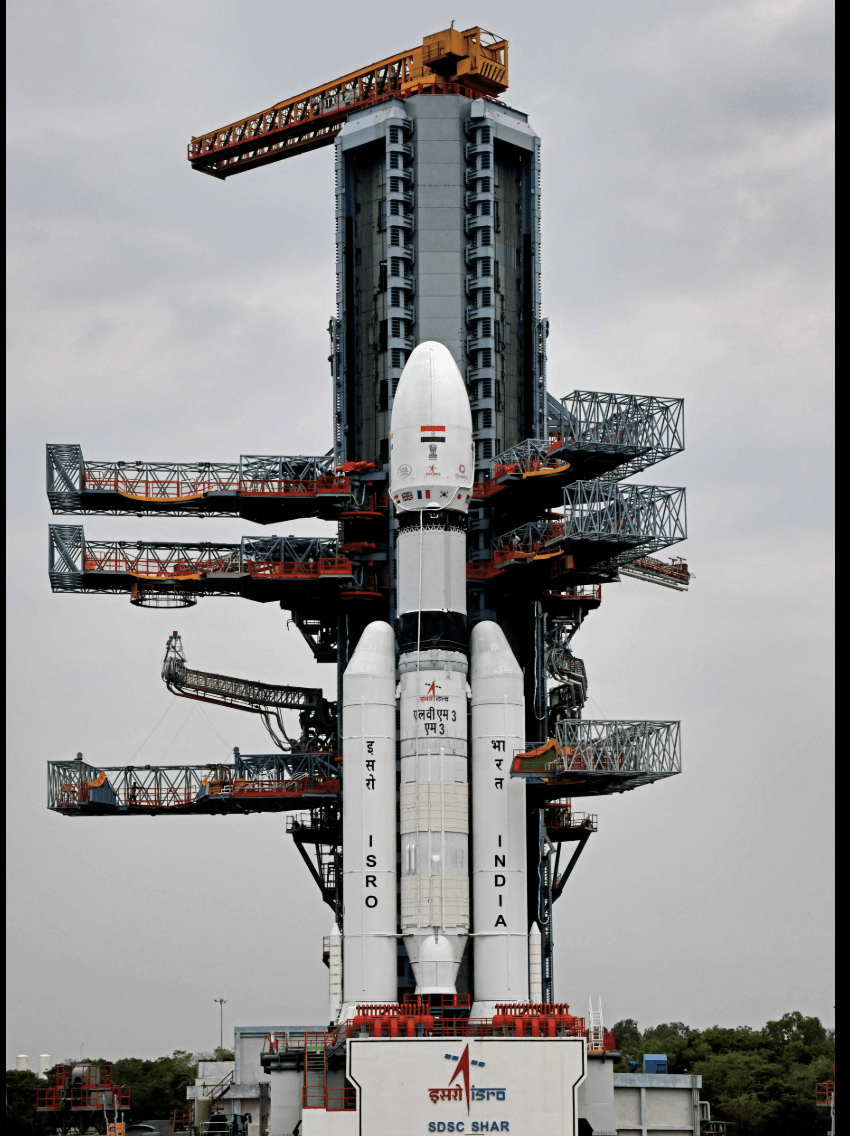
0.1 Why in News
0.1.1 ISRO’s PSLV-C62 mission, launched on 12 January 2026, failed after encountering an anomaly in the third stage (PS3).
0.1.2 The mission was carrying EOS-N1, a surveillance satellite of DRDO, along with 15 co-passenger satellites.
0.2 Mission Overview
0.2.1 Launch vehicle was Polar Satellite Launch Vehicle (PSLV) in its C62 mission.
0.2.2 Primary payload was EOS-N1, a defence surveillance satellite.
0.2.3 Co-passenger satellites belonged to Thailand, the UK, Nepal, France, Spain, Brazil, and Indian private entities.
0.2.4 Mission aimed to place satellites into the intended orbit, followed by controlled disposal.
0.3 What Was the Anomaly
0.3.1 According to ISRO Chairman V. Narayanan, the mission performed normally until near the end of the third stage (PS3).
0.3.2 During PS3 operation, there was an abnormal increase in roll rate disturbance.
0.3.3 This caused a deviation from the planned flight path.
0.3.4 The rocket began uncontrolled spinning, making orbital insertion impossible.
0.3.5 As a result, the mission was aborted.
0.4 Findings from Thailand’s Space Agency (GISTDA)
0.4.1 Thailand’s space agency GISTDA, whose satellite THEOS-2A was onboard, confirmed a malfunction in the third stage.
0.4.2 The malfunction caused an attitude-control failure.
0.4.3 Due to trajectory deviation, the rocket could not deploy the satellites.
0.4.4 GISTDA stated that the fuel booster turbo pump malfunctioned, leading to mission abort.
0.5 Comparison with PSLV-C61 Mission
0.5.1 PSLV-C61 had failed earlier on 18 May 2025.
0.5.2 Both C61 and C62 missions failed in PS3, though due to different technical symptoms.
0.5.3 In PSLV-C61, the issue was a chamber-pressure drop in the PS3 motor casing.
0.5.4 In PSLV-C62, the dominant issue was a roll-rate disturbance late in PS3 operation.
0.5.5 In both cases, satellites could not be deployed into their designated orbits.
0.6 Failure Analysis Committee (FAC)
0.6.1 A Failure Analysis Committee (FAC) is not a permanent body within ISRO.
0.6.2 It is constituted only after major mission failures by the ISRO Chairman.
0.6.3 FAC reconstructs the chain of events using telemetry and subsystem data.
0.6.4 FAC identifies root causes and recommends corrective measures before return-to-flight clearance.
0.6.5 FAC members include ISRO experts and specialists from academia and industry.
0.6.6 The FAC submits its report to the Government of India, through the Department of Space.
0.7 Status of FAC Report on PSLV-C61 and C62
0.7.1 The FAC report on PSLV-C61 was submitted to the Prime Minister’s Office (PMO) in mid-2025.
0.7.2 The report has not been released publicly.
0.7.3 Experts criticised the lack of transparency, especially after PSLV-C62 also failed in PS3.
0.7.4 ISRO has stated that an FAC has been constituted for PSLV-C62 and detailed analysis is underway.
0.7.5 Unlike earlier failures, ISRO has not issued a public summary of FAC findings so far.
0.8 What Happened to the Satellites
0.8.1 After mission abort, the rocket and payloads were expected to fall back to Earth and burn up over the southern Indian Ocean.
0.8.2 The KID payload, a re-entry demonstrator, was designed to splash down in the southern Pacific Ocean.
0.8.3 THEOS-2A satellite was insured.
0.8.4 Indian private satellites onboard were reportedly not insured.
0.8.5 The cost of loss of EOS-N1 will be borne by India.
0.9 Why This Matters
0.9.1 PSLV-C62 is the first PSLV failure involving customer satellites from multiple countries.
0.9.2 Raises concerns for ISRO’s commercial launch credibility, including NewSpace India Ltd (NSIL).
0.9.3 Highlights the importance of transparency in failure analysis for maintaining international trust.
![UPSC coaching in India - Best UPSC coaching institute - UPSC Mentor coaching - UPSC preparation institute - IAS coaching center - UPSC online coaching - Best IAS coaching in India - UPSC classes for beginners - Civil services preparation - IAS preparation institute - UPSC mentorship program - UPSC exam guidance - IAS study material - UPSC Prelims coaching - UPSC Mains coaching - UPSC interview preparation - Best IAS online classes - UPSC coaching with personal mentorship - Affordable UPSC coaching - UPSC test series - UPSC coaching near me - Best IAS coaching near me - UPSC institute in [your city] - IAS coaching center in [your city] - The UPSC Mentor coaching - The UPSC Mentor IAS classes - The UPSC Mentor UPSC course - UPSC Mentor online program.](https://theupscmentor.in/wp-content/uploads/2025/11/cropped-THE-UPSC-1.png)