![http://UPSC%20coaching%20in%20India%20-%20Best%20UPSC%20coaching%20institute%20-%20UPSC%20Mentor%20coaching%20-%20UPSC%20preparation%20institute%20-%20IAS%20coaching%20center%20-%20UPSC%20online%20coaching%20-%20Best%20IAS%20coaching%20in%20India%20-%20UPSC%20classes%20for%20beginners%20-%20Civil%20services%20preparation%20-%20IAS%20preparation%20institute%20-%20UPSC%20mentorship%20program%20-%20UPSC%20exam%20guidance%20-%20IAS%20study%20material%20-%20UPSC%20Prelims%20coaching%20-%20UPSC%20Mains%20coaching%20-%20UPSC%20interview%20preparation%20-%20Best%20IAS%20online%20classes%20-%20UPSC%20coaching%20with%20personal%20mentorship%20-%20Affordable%20UPSC%20coaching%20-%20UPSC%20test%20series%20-%20UPSC%20coaching%20near%20me%20-%20Best%20IAS%20coaching%20near%20me%20-%20UPSC%20institute%20in%20[your%20city]%20-%20IAS%20coaching%20center%20in%20[your%20city]%20-%20The%20UPSC%20Mentor%20coaching%20-%20The%20UPSC%20Mentor%20IAS%20classes%20-%20The%20UPSC%20Mentor%20UPSC%20course%20-%20UPSC%20Mentor%20online%20program.](https://theupscmentor.in/wp-content/uploads/2024/11/THE-UPSC-2-e1762319162137.png)
 admin
admin 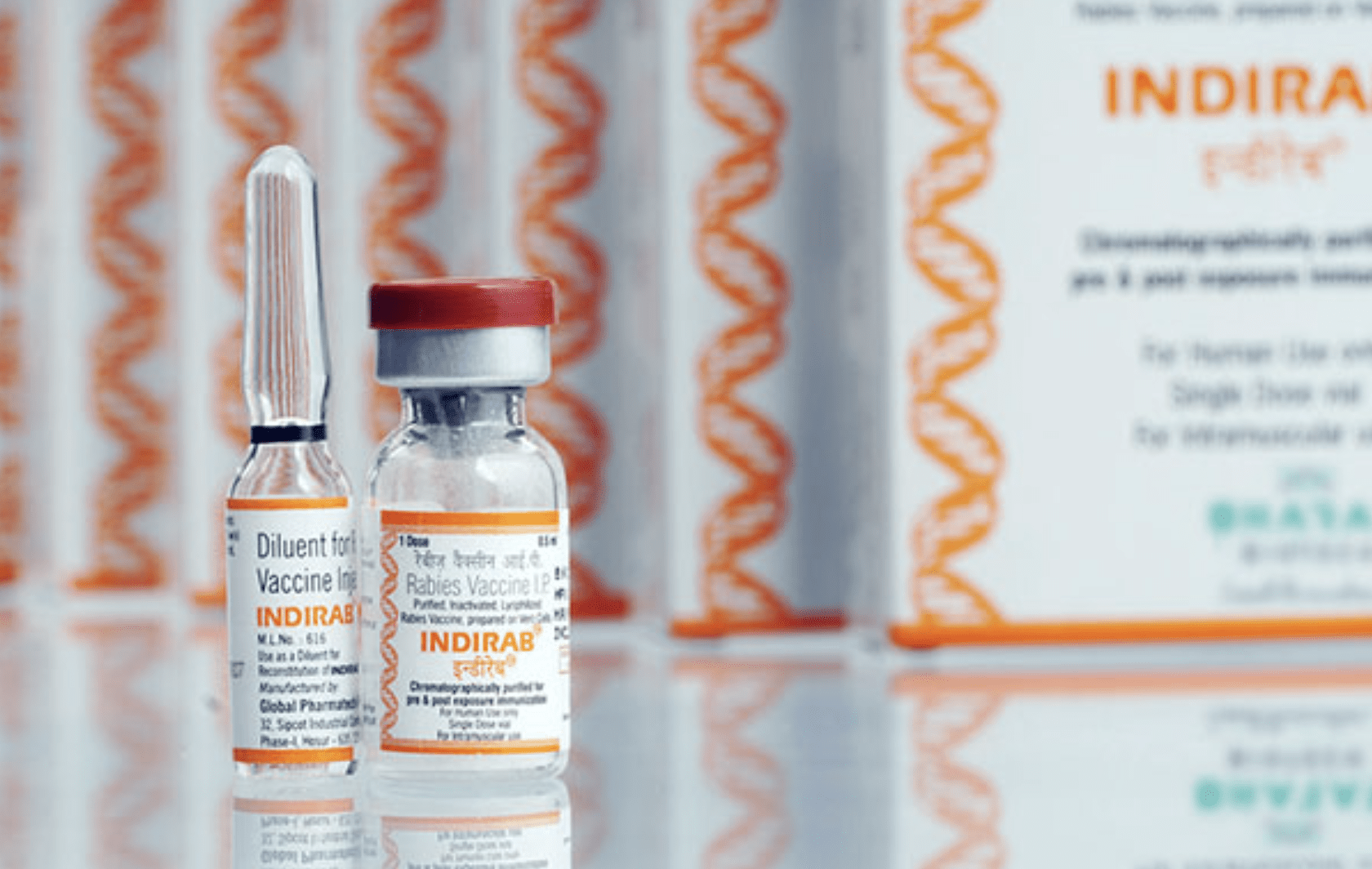
Context
0.1 Australia, the UK, and the US have issued advisories for travellers who may have received rabies vaccinations in India, recommending additional replacement doses.
0.2 These advisories follow concerns over a potentially counterfeit batch of the rabies vaccine Abhayrab, reported to be circulating since 2023.
Reason for concern
0.3 The suspected vaccine batch was manufactured by the Human Biologicals Institute, a PSU under Indian Immunologicals.
0.4 Counterfeit packaging was reportedly detected in Delhi, Mumbai, and Agra, following which raids were conducted.
0.5 Indian authorities clarified that no other counterfeit batches have been found in circulation.
Indian regulatory response
0.6 The manufacturer informed Indian regulators and law enforcement agencies immediately after detecting the issue.
0.7 The vaccines were seized and tested, including at the Central Drug Testing Laboratory, Kasauli.
0.8 Tests confirmed that the vaccine content was genuine, though outer packaging had been altered, allegedly to divert government supply to the open market.
Why rabies is a serious concern
0.9 Rabies is nearly 100% fatal once clinical symptoms appear.
0.10 The virus spreads through saliva of infected animals, commonly via bites or scratches, causing fever, hallucinations, excessive salivation, and paralysis.
0.11 India accounts for around 36% of global rabies deaths, according to the World Health Organization.
How rabies treatment works
0.12 Rabies is preventable through post-exposure prophylaxis (PEP) if administered promptly after exposure.
0.13 As per WHO guidelines, treatment includes:
– at least three doses of intramuscular vaccine, or
– two doses of intradermal vaccine, along with
– rabies immunoglobulin administered on the day of the bite.
0.14 Individuals previously immunised require only two booster doses.
Effectiveness and limitations
0.15 Breakthrough infections may occur even after vaccination if wound cleaning is inadequate or immunoglobulin is not administered, especially for Category III bites.
0.16 Once the virus reaches the nervous system, vaccination is no longer effective.
Other suspect vaccine concerns
0.17 A rise in rabies cases in Kerala in 2022 raised concerns about vaccine effectiveness.
0.18 A Health Ministry committee later attributed these cases to poor wound washing and non-administration of immunoglobulin, not vaccine failure.
0.19 Limited availability of immunoglobulin and vaccines was identified as a major constraint.
Global implications
0.20 International advisories risk increasing vaccine hesitancy, even as Indian regulators maintain that licensed vaccines are safe and effective.
0.21 The episode highlights the need for supply-chain integrity, correct wound management, and timely completion of the vaccination schedule.
Why it matters
0.22 The issue underscores that rabies prevention depends not only on vaccine quality, but also on proper administration, immunoglobulin availability, and public awareness, especially in a country with a high disease burden.
![UPSC coaching in India - Best UPSC coaching institute - UPSC Mentor coaching - UPSC preparation institute - IAS coaching center - UPSC online coaching - Best IAS coaching in India - UPSC classes for beginners - Civil services preparation - IAS preparation institute - UPSC mentorship program - UPSC exam guidance - IAS study material - UPSC Prelims coaching - UPSC Mains coaching - UPSC interview preparation - Best IAS online classes - UPSC coaching with personal mentorship - Affordable UPSC coaching - UPSC test series - UPSC coaching near me - Best IAS coaching near me - UPSC institute in [your city] - IAS coaching center in [your city] - The UPSC Mentor coaching - The UPSC Mentor IAS classes - The UPSC Mentor UPSC course - UPSC Mentor online program.](https://theupscmentor.in/wp-content/uploads/2025/11/cropped-THE-UPSC-1.png)