![http://UPSC%20coaching%20in%20India%20-%20Best%20UPSC%20coaching%20institute%20-%20UPSC%20Mentor%20coaching%20-%20UPSC%20preparation%20institute%20-%20IAS%20coaching%20center%20-%20UPSC%20online%20coaching%20-%20Best%20IAS%20coaching%20in%20India%20-%20UPSC%20classes%20for%20beginners%20-%20Civil%20services%20preparation%20-%20IAS%20preparation%20institute%20-%20UPSC%20mentorship%20program%20-%20UPSC%20exam%20guidance%20-%20IAS%20study%20material%20-%20UPSC%20Prelims%20coaching%20-%20UPSC%20Mains%20coaching%20-%20UPSC%20interview%20preparation%20-%20Best%20IAS%20online%20classes%20-%20UPSC%20coaching%20with%20personal%20mentorship%20-%20Affordable%20UPSC%20coaching%20-%20UPSC%20test%20series%20-%20UPSC%20coaching%20near%20me%20-%20Best%20IAS%20coaching%20near%20me%20-%20UPSC%20institute%20in%20[your%20city]%20-%20IAS%20coaching%20center%20in%20[your%20city]%20-%20The%20UPSC%20Mentor%20coaching%20-%20The%20UPSC%20Mentor%20IAS%20classes%20-%20The%20UPSC%20Mentor%20UPSC%20course%20-%20UPSC%20Mentor%20online%20program.](https://theupscmentor.in/wp-content/uploads/2024/11/THE-UPSC-2-e1762319162137.png)
 admin
admin 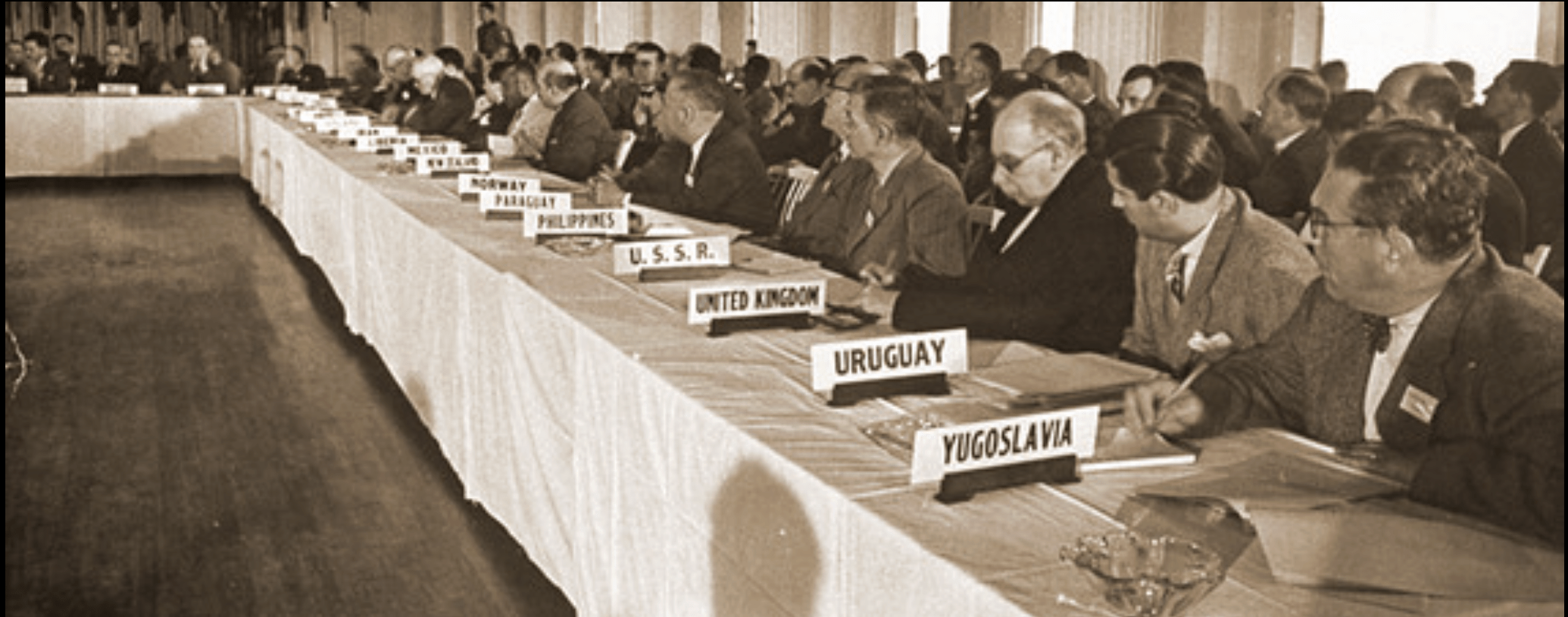
0.1 The system the US once created
0.1.1 Even before World War II ended, the United States led the creation of a rules-based global order.
0.1.2 In 1944 (Bretton Woods) it helped set up global monetary institutions like the International Monetary Fund and the World Bank to prevent economic nationalism.
0.1.3 In 1945, it spearheaded the creation of the United Nations to manage political conflict and collective security.
0.2 What this post-war system achieved
0.2.1 Despite flaws, the UN-Bretton Woods system promoted global stability and prosperity, especially after the Great Depression.
0.2.2 Even when the Soviet bloc stayed outside the system during the Cold War, the framework continued to function and expand prosperity.
0.2.3 Though the US sometimes violated its own principles, it generally underwrote and sustained the system.
0.3 Earlier US deviations—but not abandonment
0.3.1 The US has departed from the system before, most notably when Richard Nixon ended the gold-dollar peg in 1971.
0.3.2 The US also temporarily withdrew from bodies like UNESCO under Ronald Reagan.
0.3.3 However, these were limited deviations, not wholesale rejection; the US still supported the overall global architecture.
0.4 What is different under Donald Trump
0.4.1 Under Donald Trump’s second, non-consecutive term (from January 2024), the US began systematically dismantling its own global commitments.
0.4.2 The global trading system has been damaged by frequent and arbitrary use of tariffs against both allies and rivals.
0.4.3 These actions have weakened confidence in the rules-based economic order.
0.5 Withdrawal from global organisations
0.5.1 The Trump administration has moved to withdraw from 66 international organisations.
0.5.2 These bodies deal with gender rights, migration, climate change, and humanitarian issues.
0.5.3 The stated justification is that such organisations do not serve US national interests.
0.6 Violation of international law norms
0.6.1 This retreat followed the abduction of Venezuelan President Nicolás Maduro by US forces to face trial in New York.
0.6.2 While Maduro’s legitimacy may be debated, the method of removal violated core principles of international law and sovereignty.
0.6.3 Such actions further erode the norms the US once championed.
0.7 Impact on the Global South
0.7.1 Earlier cuts in US bilateral aid are already being felt across the Global South.
0.7.2 Withdrawal from multilateral organisations will weaken their effectiveness, especially where US funding and leadership were critical.
0.7.3 Vulnerable populations are likely to suffer the most.
0.8 Why no other power can fill the gap
0.8.1 No other major power has both the capacity and willingness to replace the US as system guarantor.
0.8.2 China may partially fill some gaps due to surplus resources.
0.8.3 However, China lacks the normative commitment and institutional credibility required to sustain a fair global order.
0.9 The long-term consequence
0.9.1 America’s abrupt retreat risks unravelling the very system it built.
0.9.2 Instead of reforming imperfect institutions, the US is abandoning them altogether.
0.9.3 The likely outcome is a harsher, more unequal, and more unstable world order.
![UPSC coaching in India - Best UPSC coaching institute - UPSC Mentor coaching - UPSC preparation institute - IAS coaching center - UPSC online coaching - Best IAS coaching in India - UPSC classes for beginners - Civil services preparation - IAS preparation institute - UPSC mentorship program - UPSC exam guidance - IAS study material - UPSC Prelims coaching - UPSC Mains coaching - UPSC interview preparation - Best IAS online classes - UPSC coaching with personal mentorship - Affordable UPSC coaching - UPSC test series - UPSC coaching near me - Best IAS coaching near me - UPSC institute in [your city] - IAS coaching center in [your city] - The UPSC Mentor coaching - The UPSC Mentor IAS classes - The UPSC Mentor UPSC course - UPSC Mentor online program.](https://theupscmentor.in/wp-content/uploads/2025/11/cropped-THE-UPSC-1.png)