![http://UPSC%20coaching%20in%20India%20-%20Best%20UPSC%20coaching%20institute%20-%20UPSC%20Mentor%20coaching%20-%20UPSC%20preparation%20institute%20-%20IAS%20coaching%20center%20-%20UPSC%20online%20coaching%20-%20Best%20IAS%20coaching%20in%20India%20-%20UPSC%20classes%20for%20beginners%20-%20Civil%20services%20preparation%20-%20IAS%20preparation%20institute%20-%20UPSC%20mentorship%20program%20-%20UPSC%20exam%20guidance%20-%20IAS%20study%20material%20-%20UPSC%20Prelims%20coaching%20-%20UPSC%20Mains%20coaching%20-%20UPSC%20interview%20preparation%20-%20Best%20IAS%20online%20classes%20-%20UPSC%20coaching%20with%20personal%20mentorship%20-%20Affordable%20UPSC%20coaching%20-%20UPSC%20test%20series%20-%20UPSC%20coaching%20near%20me%20-%20Best%20IAS%20coaching%20near%20me%20-%20UPSC%20institute%20in%20[your%20city]%20-%20IAS%20coaching%20center%20in%20[your%20city]%20-%20The%20UPSC%20Mentor%20coaching%20-%20The%20UPSC%20Mentor%20IAS%20classes%20-%20The%20UPSC%20Mentor%20UPSC%20course%20-%20UPSC%20Mentor%20online%20program.](https://theupscmentor.in/wp-content/uploads/2024/11/THE-UPSC-2-e1762319162137.png)
 admin
admin 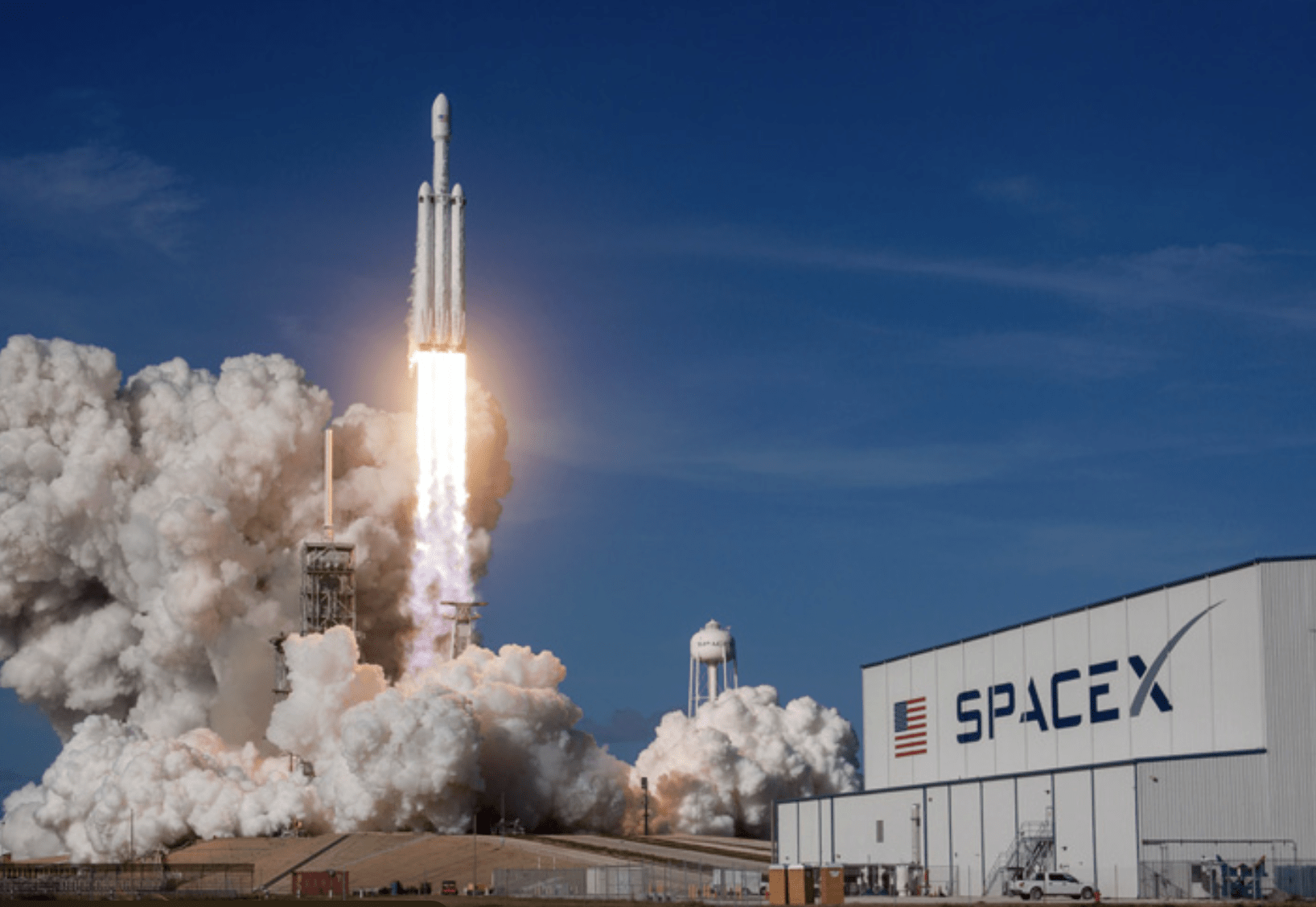
0.1 Context: Commercial Space Transformation
0.1.1 The global commercial space industry is evolving rapidly due to reusable rocket technologies.
0.1.2 Private companies now lead space innovation, replacing decades of government-led exploration.
0.1.3 The space economy is projected to exceed $1 trillion by 2030.
0.1.4 Partial reusability has reduced the cost of access to space by 5–20 times compared to expendable rockets.
0.1.5 Launch frequency has increased significantly due to cost reductions.
0.2 Why Space Launch Is Expensive
0.2.1 Human space missions are 3–5 times more expensive than satellite missions.
0.2.2 Higher costs arise from life support, safety, redundancy, and mission planning requirements.
0.2.3 Satellite missions typically involve one-way expendable hardware with simpler architectures.
0.3 Reusability as a Game-Changer
0.3.1 Reusability is considered the most significant innovation for human access to space.
0.3.2 It shifts the industry from a “disposable” model to a “transportation” model.
0.3.3 SpaceX pioneered large-scale reusability using 3D printing, modular design, and vertical integration.
0.3.4 Reuse of rocket stages has cut costs sharply and enabled higher launch cadence.
0.4 Recovery and Reuse of Rocket Stages
0.4.1 Falcon 9’s first stage returns using automatic guidance and smart engineering.
0.4.2 Engines are reignited to reduce kinetic energy, while aerodynamic drag dissipates the remainder.
0.4.3 SpaceX has successfully recovered first stages more than 520 times.
0.4.4 Some first stages have been reused over 30 times.
0.5 Limits to Reusability
0.5.1 Reuse is constrained by structural and material fatigue, especially in engines and fuel tanks.
0.5.2 Cryogenic propellants, extreme temperatures, and pressure loads cause fatigue and microfractures.
0.5.3 Refurbishment economics and acceptable risk thresholds limit repeated reuse.
0.6 Global Developments in Reusable Launch Systems
0.6.1 Starship is being developed as a fully reusable, multi-purpose rocket for Earth orbit, Moon, and Mars.
0.6.2 Blue Origin has demonstrated vertical landing of the New Glenn booster.
0.6.3 China’s commercial space sector is advancing, with LandSpace attempting recovery of the Zhuque-3 rocket.
0.7 India’s Position
0.7.1 ISRO is developing multiple recovery technology models.
0.7.2 One approach is the Reusable Launch Vehicle (RLV), a winged spaceplane landing on a runway.
0.7.3 Another approach focuses on rocket-stage recovery using aerodynamic drag and retro-propulsion.
0.7.4 Technological development is progressing across these approaches.
![UPSC coaching in India - Best UPSC coaching institute - UPSC Mentor coaching - UPSC preparation institute - IAS coaching center - UPSC online coaching - Best IAS coaching in India - UPSC classes for beginners - Civil services preparation - IAS preparation institute - UPSC mentorship program - UPSC exam guidance - IAS study material - UPSC Prelims coaching - UPSC Mains coaching - UPSC interview preparation - Best IAS online classes - UPSC coaching with personal mentorship - Affordable UPSC coaching - UPSC test series - UPSC coaching near me - Best IAS coaching near me - UPSC institute in [your city] - IAS coaching center in [your city] - The UPSC Mentor coaching - The UPSC Mentor IAS classes - The UPSC Mentor UPSC course - UPSC Mentor online program.](https://theupscmentor.in/wp-content/uploads/2025/11/cropped-THE-UPSC-1.png)