![http://UPSC%20coaching%20in%20India%20-%20Best%20UPSC%20coaching%20institute%20-%20UPSC%20Mentor%20coaching%20-%20UPSC%20preparation%20institute%20-%20IAS%20coaching%20center%20-%20UPSC%20online%20coaching%20-%20Best%20IAS%20coaching%20in%20India%20-%20UPSC%20classes%20for%20beginners%20-%20Civil%20services%20preparation%20-%20IAS%20preparation%20institute%20-%20UPSC%20mentorship%20program%20-%20UPSC%20exam%20guidance%20-%20IAS%20study%20material%20-%20UPSC%20Prelims%20coaching%20-%20UPSC%20Mains%20coaching%20-%20UPSC%20interview%20preparation%20-%20Best%20IAS%20online%20classes%20-%20UPSC%20coaching%20with%20personal%20mentorship%20-%20Affordable%20UPSC%20coaching%20-%20UPSC%20test%20series%20-%20UPSC%20coaching%20near%20me%20-%20Best%20IAS%20coaching%20near%20me%20-%20UPSC%20institute%20in%20[your%20city]%20-%20IAS%20coaching%20center%20in%20[your%20city]%20-%20The%20UPSC%20Mentor%20coaching%20-%20The%20UPSC%20Mentor%20IAS%20classes%20-%20The%20UPSC%20Mentor%20UPSC%20course%20-%20UPSC%20Mentor%20online%20program.](https://theupscmentor.in/wp-content/uploads/2024/11/THE-UPSC-2-e1762319162137.png)
 admin
admin 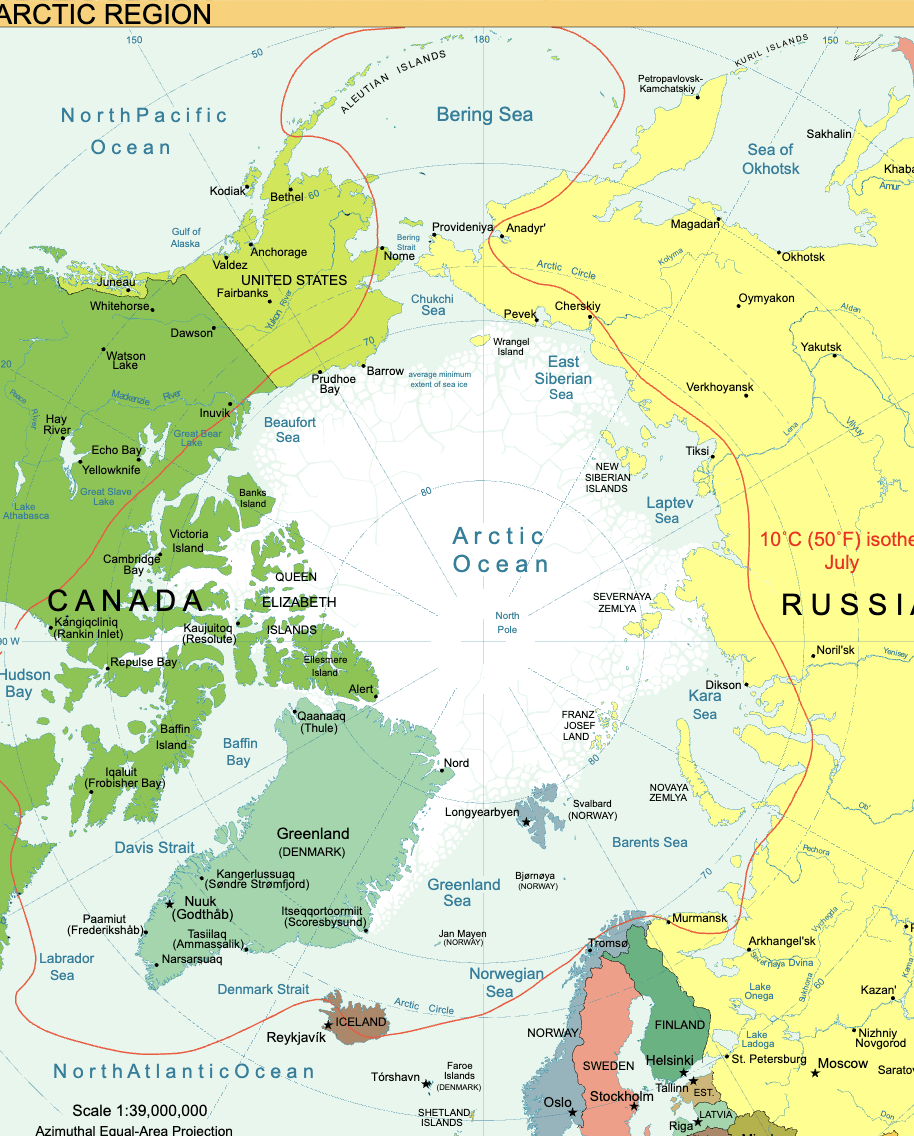
0.1 Why in News
0.1.1 Renewed global discussion on US interest in Greenland following President Donald Trump’s 2019 proposal to acquire Greenland.
0.1.2 The issue highlights the long historical and strategic interest of the US in Greenland, predating Trump.
0.2 Political Status of Greenland
0.2.1 Greenland is an autonomous territory of Denmark.
0.2.2 Denmark controls foreign affairs and defence, while Greenland manages internal governance.
0.2.3 Greenland lies within the Arctic Circle, giving it high strategic value.
0.3 Early US Interest (19th Century)
0.3.1 First official US interest dates back to the early 1800s.
0.3.2 After the 1814 Treaty of Kiel, Greenland came under Danish control.
0.3.3 In 1867, US Secretary of State William Seward explored purchasing Greenland after the Alaska Purchase.
0.3.4 The idea aligned with US territorial expansionist thinking of the time.
0.4 World War Era Strategic Interest
0.4.1 Before World War I, the US sought Greenland and the Danish West Indies to secure Atlantic shipping lanes.
0.4.2 In 1917, the US acquired the Danish West Indies (now US Virgin Islands).
0.4.3 During World War II, after Nazi occupation of Denmark, the US established a consulate in Nuuk.
0.4.4 The 1941 US–Denmark agreement allowed the US to establish military bases in Greenland.
0.4.5 In 1946, President Harry Truman formally offered to buy Greenland; Denmark rejected the proposal.
0.5 Cold War Importance
0.5.1 Greenland gained importance as a Cold War outpost against the Soviet Union.
0.5.2 The US established Thule Air Base in Greenland.
0.5.3 Despite Denmark’s 1957 nuclear weapons-free policy, US nuclear weapons were stored at the base.
0.5.4 Greenland became integral to NATO’s Arctic defence architecture.
0.6 Post–Cold War Decline and Revival
0.6.1 After the disintegration of the USSR, Greenland’s strategic importance temporarily declined.
0.6.2 In the 21st century, importance revived due to:
0.6.2.1 Melting Arctic ice opening new shipping routes
0.6.2.2 Climate change impacts
0.6.2.3 China declaring itself a “near-Arctic state”
0.6.2.4 Growing China–Russia strategic cooperation
0.7 Trump Era and After
0.7.1 In 2019, President Donald Trump publicly proposed acquiring Greenland.
0.7.2 US Secretary of State Mike Pompeo raised concerns about Chinese and Russian activities in the Arctic.
0.7.3 The US argued that the Arctic Council could not focus solely on environmental issues due to security concerns.
0.7.4 US military posture in the Arctic has since expanded beyond rhetoric to deployments and exercises.
0.8 Core Issue Highlighted
0.8.1 US interest in Greenland is strategic, not personal or episodic.
0.8.2 Raises questions about:
0.8.2.1 Sovereignty of smaller democratic regions
0.8.2.2 Balance between great power competition and self-determination
0.8.2.3 Militarisation of the Arctic region
![UPSC coaching in India - Best UPSC coaching institute - UPSC Mentor coaching - UPSC preparation institute - IAS coaching center - UPSC online coaching - Best IAS coaching in India - UPSC classes for beginners - Civil services preparation - IAS preparation institute - UPSC mentorship program - UPSC exam guidance - IAS study material - UPSC Prelims coaching - UPSC Mains coaching - UPSC interview preparation - Best IAS online classes - UPSC coaching with personal mentorship - Affordable UPSC coaching - UPSC test series - UPSC coaching near me - Best IAS coaching near me - UPSC institute in [your city] - IAS coaching center in [your city] - The UPSC Mentor coaching - The UPSC Mentor IAS classes - The UPSC Mentor UPSC course - UPSC Mentor online program.](https://theupscmentor.in/wp-content/uploads/2025/11/cropped-THE-UPSC-1.png)