![http://UPSC%20coaching%20in%20India%20-%20Best%20UPSC%20coaching%20institute%20-%20UPSC%20Mentor%20coaching%20-%20UPSC%20preparation%20institute%20-%20IAS%20coaching%20center%20-%20UPSC%20online%20coaching%20-%20Best%20IAS%20coaching%20in%20India%20-%20UPSC%20classes%20for%20beginners%20-%20Civil%20services%20preparation%20-%20IAS%20preparation%20institute%20-%20UPSC%20mentorship%20program%20-%20UPSC%20exam%20guidance%20-%20IAS%20study%20material%20-%20UPSC%20Prelims%20coaching%20-%20UPSC%20Mains%20coaching%20-%20UPSC%20interview%20preparation%20-%20Best%20IAS%20online%20classes%20-%20UPSC%20coaching%20with%20personal%20mentorship%20-%20Affordable%20UPSC%20coaching%20-%20UPSC%20test%20series%20-%20UPSC%20coaching%20near%20me%20-%20Best%20IAS%20coaching%20near%20me%20-%20UPSC%20institute%20in%20[your%20city]%20-%20IAS%20coaching%20center%20in%20[your%20city]%20-%20The%20UPSC%20Mentor%20coaching%20-%20The%20UPSC%20Mentor%20IAS%20classes%20-%20The%20UPSC%20Mentor%20UPSC%20course%20-%20UPSC%20Mentor%20online%20program.](https://theupscmentor.in/wp-content/uploads/2024/11/THE-UPSC-2-e1762319162137.png)
 admin
admin 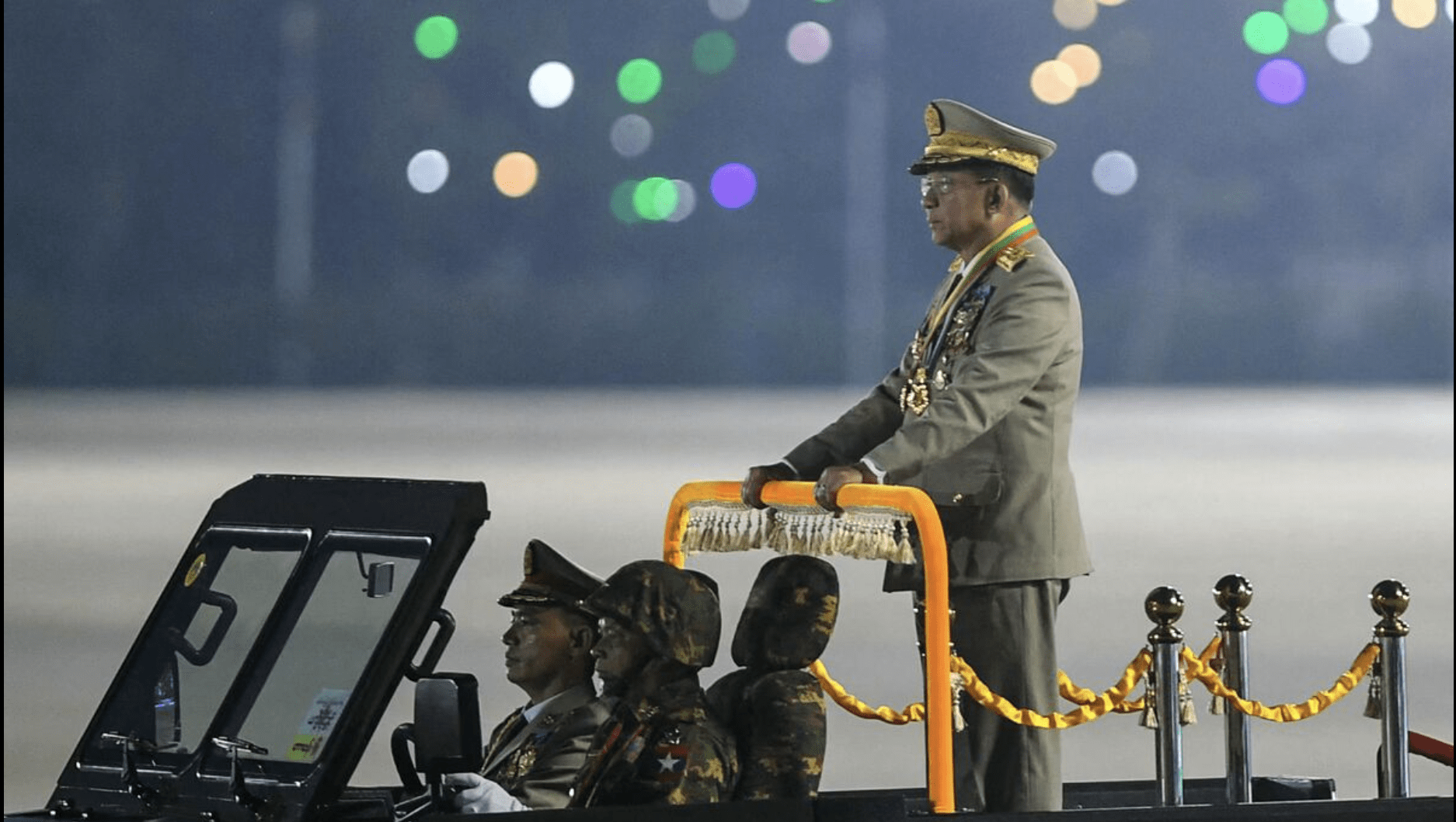
Context
0.1 Why is Myanmar voting amid conflict remains a central question after the February 2021 military coup, when the Tatmadaw promised elections to restore civilian governance.
0.2 Even after four years of instability and violence, three-phase elections for the Union Parliament and provincial legislatures have been initiated.
Core contradiction (Error)
0.3 Elections are being conducted amid armed conflict, political repression, and territorial fragmentation, undermining their representative character.
0.4 Large parts of the country remain outside effective military control, yet the polls are projected as nationwide.
Political exclusion
0.5 Key political actors, including the National League for Democracy (NLD), have been deregistered or dissolved under the Political Parties Registration Law.
0.6 Senior civilian leaders, including Aung San Suu Kyi, remain detained, eliminating meaningful opposition participation.
Territorial and security limitations
0.7 Polling is not being conducted in several constituencies due to prevailing security conditions.
0.8 Even where elections are officially organised, large rural areas are not witnessing voting, reflecting weak state reach.
Electoral process concerns
0.9 The use of electronic voting machines, despite a history of electoral manipulation, raises credibility concerns.
0.10 Around 229 arrests under the Election Protection Law point to coercive enforcement rather than voluntary participation.
Demographic distortion
0.11 Prolonged conflict and economic hardship have driven large-scale migration, particularly among youth avoiding conscription.
0.12 With outcomes widely perceived as predetermined, voter participation remains low, reflected in weak turnout in the first phase.
Structural bias in electoral design
0.13 The electoral framework combines First-Past-The-Post (FPTP) and Proportional Representation (PR) systems.
0.14 With 25% of legislative seats reserved for the military, dominance is ensured irrespective of electoral outcomes.
Outcome implications
0.15 With major parties excluded and opposition fragmented, military-backed parties face no genuine competition.
0.16 A fractured mandate further reduces prospects for constitutional reform, entrenching military authority.
International response
0.17 The elections are widely seen as an attempt to gain legitimacy, not to reflect popular will.
0.18 ASEAN has refused to seat Myanmar’s military leadership, while the UN, EU, Japan, and Australia have expressed criticism.
0.19 China and Russia have engaged by sending election observers, contrasting with Western scepticism.
Core takeaway
0.20 Myanmar’s elections reflect a procedural exercise under military control, where exclusion, coercion, and structural bias negate democratic intent rather than resolve the political crisis.
![UPSC coaching in India - Best UPSC coaching institute - UPSC Mentor coaching - UPSC preparation institute - IAS coaching center - UPSC online coaching - Best IAS coaching in India - UPSC classes for beginners - Civil services preparation - IAS preparation institute - UPSC mentorship program - UPSC exam guidance - IAS study material - UPSC Prelims coaching - UPSC Mains coaching - UPSC interview preparation - Best IAS online classes - UPSC coaching with personal mentorship - Affordable UPSC coaching - UPSC test series - UPSC coaching near me - Best IAS coaching near me - UPSC institute in [your city] - IAS coaching center in [your city] - The UPSC Mentor coaching - The UPSC Mentor IAS classes - The UPSC Mentor UPSC course - UPSC Mentor online program.](https://theupscmentor.in/wp-content/uploads/2025/11/cropped-THE-UPSC-1.png)