![http://UPSC%20coaching%20in%20India%20-%20Best%20UPSC%20coaching%20institute%20-%20UPSC%20Mentor%20coaching%20-%20UPSC%20preparation%20institute%20-%20IAS%20coaching%20center%20-%20UPSC%20online%20coaching%20-%20Best%20IAS%20coaching%20in%20India%20-%20UPSC%20classes%20for%20beginners%20-%20Civil%20services%20preparation%20-%20IAS%20preparation%20institute%20-%20UPSC%20mentorship%20program%20-%20UPSC%20exam%20guidance%20-%20IAS%20study%20material%20-%20UPSC%20Prelims%20coaching%20-%20UPSC%20Mains%20coaching%20-%20UPSC%20interview%20preparation%20-%20Best%20IAS%20online%20classes%20-%20UPSC%20coaching%20with%20personal%20mentorship%20-%20Affordable%20UPSC%20coaching%20-%20UPSC%20test%20series%20-%20UPSC%20coaching%20near%20me%20-%20Best%20IAS%20coaching%20near%20me%20-%20UPSC%20institute%20in%20[your%20city]%20-%20IAS%20coaching%20center%20in%20[your%20city]%20-%20The%20UPSC%20Mentor%20coaching%20-%20The%20UPSC%20Mentor%20IAS%20classes%20-%20The%20UPSC%20Mentor%20UPSC%20course%20-%20UPSC%20Mentor%20online%20program.](https://theupscmentor.in/wp-content/uploads/2024/11/THE-UPSC-2-e1762319162137.png)
 admin
admin 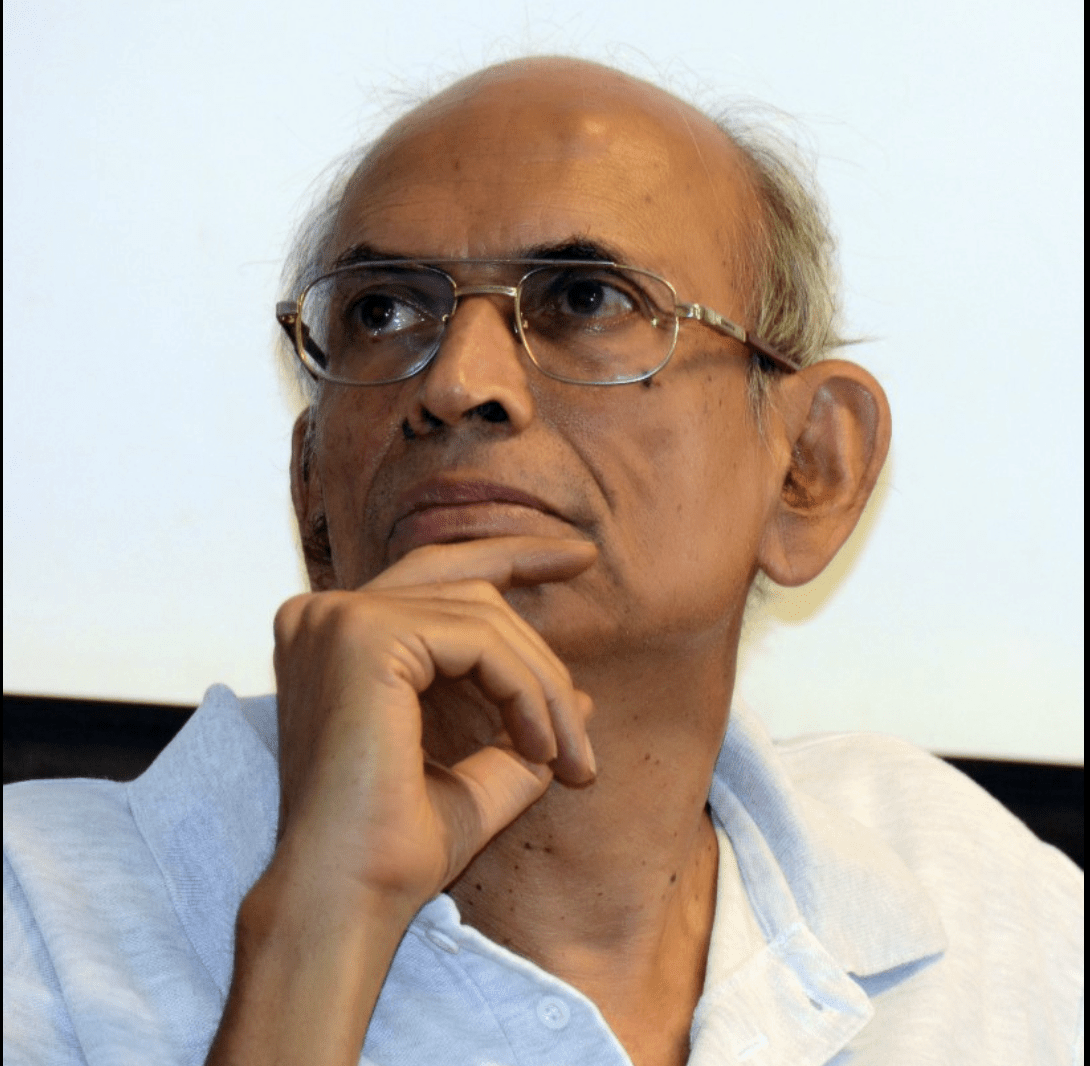
0.1 Why this report is being discussed now
0.1.1 Eminent ecologist Madhav Gadgil recently passed away.
0.1.2 He was the chairman of the Western Ghats Ecology Expert Panel (WGEEP).
0.1.3 His report on protecting the Western Ghats is recalled whenever landslides or ecological disasters occur.
0.2 Why the Western Ghats needed protection
0.2.1 The Western Ghats are a global biodiversity hotspot, meaning they contain many plant and animal species found nowhere else.
0.2.2 They are the source of major rivers such as the Cauvery, Godavari, Krishna, Periyar, and Netravathi.
0.2.3 Because of climate change, deforestation, and unregulated development, the region faces increasing ecological risk.
0.3 Why the Gadgil Committee was formed
0.3.1 The committee was constituted in March 2010 to study the ecological condition of the Western Ghats.
0.3.2 Its task was to:
- Identify environmentally sensitive areas
- Recommend protection measures
- Suggest how development and conservation could be balanced
0.4 Core recommendation of the Gadgil Report
0.4.1 The panel declared the entire Western Ghats region (1,29,037 sq km) as an Ecologically Sensitive Area (ESA).
0.4.2 The area was divided into three Ecologically Sensitive Zones (ESZ 1, 2, and 3) based on environmental fragility.
0.4.3 Stricter rules applied to more sensitive zones.
0.5 What activities the report wanted to restrict
0.5.1 Ban on genetically modified crops across zones.
0.5.2 No new mining licences and phasing out existing mines within five years in sensitive zones in ESZ 1 and ESZ 2
0.5.3 No new thermal power plants and large polluting industries
0.5.4 No new hill stations, major roads, or railway lines, except where absolutely essential.
0.5.5 Strong limits on quarrying and large construction.
0.6 What institutions the report proposed
0.6.1 Creation of a Western Ghats Ecology Authority (WGEA).
0.6.2 This authority would be a statutory body (created by law).
0.6.3 It would regulate activities affecting the Western Ghats across six states:
- Gujarat
- Goa
- Maharashtra
- Karnataka
- Kerala
- Tamil Nadu
0.7 Why the report faced political opposition
0.7.1 The report was first submitted to the Environment Minister in 2011.
0.7.2 It was not made public immediately and was only shared with states for comments.
0.7.3 Several state governments opposed it, especially Kerala and Maharashtra.
0.7.4 States feared that strict environmental rules would:
- Hurt local economies
- Affect farming and cash crops
- Block infrastructure and hydropower projects
0.8 How the Kasturirangan Committee came in
0.8.1 Due to opposition, the government formed a new committee under K. Kasturirangan.
0.8.2 This panel reviewed the Gadgil report in a less restrictive manner.
0.8.3 It reduced the ESA coverage to 56,825 sq km instead of the entire Ghats.
0.8.4 It allowed more development activities while still proposing environmental safeguards.
0.9 Current status of the issue
0.9.1 The Centre issued draft notifications based on the Kasturirangan report.
0.9.2 Final notifications are still pending due to:
- Disagreements with states
- Disputes over village inclusion
0.10 Core message of the article
0.10.1 Gadgil’s report strongly prioritised ecological protection over short-term development.
0.10.2 Political resistance weakened its implementation.
0.10.3 The debate reflects India’s ongoing struggle to balance environmental conservation and economic growth.
![UPSC coaching in India - Best UPSC coaching institute - UPSC Mentor coaching - UPSC preparation institute - IAS coaching center - UPSC online coaching - Best IAS coaching in India - UPSC classes for beginners - Civil services preparation - IAS preparation institute - UPSC mentorship program - UPSC exam guidance - IAS study material - UPSC Prelims coaching - UPSC Mains coaching - UPSC interview preparation - Best IAS online classes - UPSC coaching with personal mentorship - Affordable UPSC coaching - UPSC test series - UPSC coaching near me - Best IAS coaching near me - UPSC institute in [your city] - IAS coaching center in [your city] - The UPSC Mentor coaching - The UPSC Mentor IAS classes - The UPSC Mentor UPSC course - UPSC Mentor online program.](https://theupscmentor.in/wp-content/uploads/2025/11/cropped-THE-UPSC-1.png)