![http://UPSC%20coaching%20in%20India%20-%20Best%20UPSC%20coaching%20institute%20-%20UPSC%20Mentor%20coaching%20-%20UPSC%20preparation%20institute%20-%20IAS%20coaching%20center%20-%20UPSC%20online%20coaching%20-%20Best%20IAS%20coaching%20in%20India%20-%20UPSC%20classes%20for%20beginners%20-%20Civil%20services%20preparation%20-%20IAS%20preparation%20institute%20-%20UPSC%20mentorship%20program%20-%20UPSC%20exam%20guidance%20-%20IAS%20study%20material%20-%20UPSC%20Prelims%20coaching%20-%20UPSC%20Mains%20coaching%20-%20UPSC%20interview%20preparation%20-%20Best%20IAS%20online%20classes%20-%20UPSC%20coaching%20with%20personal%20mentorship%20-%20Affordable%20UPSC%20coaching%20-%20UPSC%20test%20series%20-%20UPSC%20coaching%20near%20me%20-%20Best%20IAS%20coaching%20near%20me%20-%20UPSC%20institute%20in%20[your%20city]%20-%20IAS%20coaching%20center%20in%20[your%20city]%20-%20The%20UPSC%20Mentor%20coaching%20-%20The%20UPSC%20Mentor%20IAS%20classes%20-%20The%20UPSC%20Mentor%20UPSC%20course%20-%20UPSC%20Mentor%20online%20program.](https://theupscmentor.in/wp-content/uploads/2024/11/THE-UPSC-2-e1762319162137.png)
 admin
admin 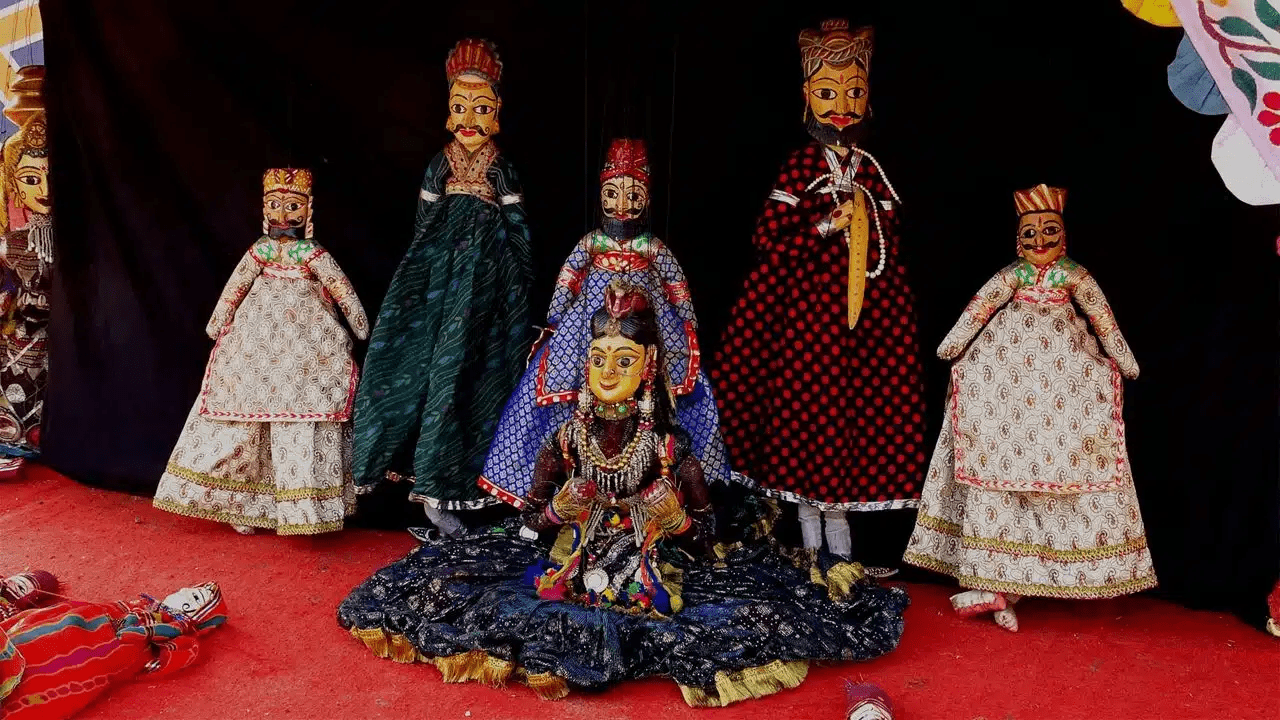
- Kathputli is a traditional string puppet theatre of Rajasthan, recognised as one of the oldest folk art forms of the state.
- The term Kathputli is derived from kath (wood) and putli (doll), reflecting the material and form of the puppets.
- Recently, it was reported that nearly 250 families in Jaipur continue to preserve and practise the Kathputli tradition.
- Kathputli puppets are crafted using wood, cloth, thread and metal wire, with the upper body carved from wood and the rest made of fabric.
- The puppets do not have legs and are covered with long flowing skirts, which conceal movement and enhance dramatic effect.
- Puppeteers manipulate Kathputlis using two to five strings tied to their fingers, allowing expressive head and arm movements.
- Kathputli figures are characterised by large eyes, oval faces, arched eyebrows and exaggerated expressions, creating visual drama.
- The costumes are bright and colourful, inspired by royal courts and desert traditions of Rajasthan.
- Traditionally, Kathputli performances narrated stories of Rajput kings, warriors, folk heroes and moral tales, aimed at village audiences.
- Performances are accompanied by folk music using dholak and harmonium, blending humour, satire and social commentary with folklore.
![UPSC coaching in India - Best UPSC coaching institute - UPSC Mentor coaching - UPSC preparation institute - IAS coaching center - UPSC online coaching - Best IAS coaching in India - UPSC classes for beginners - Civil services preparation - IAS preparation institute - UPSC mentorship program - UPSC exam guidance - IAS study material - UPSC Prelims coaching - UPSC Mains coaching - UPSC interview preparation - Best IAS online classes - UPSC coaching with personal mentorship - Affordable UPSC coaching - UPSC test series - UPSC coaching near me - Best IAS coaching near me - UPSC institute in [your city] - IAS coaching center in [your city] - The UPSC Mentor coaching - The UPSC Mentor IAS classes - The UPSC Mentor UPSC course - UPSC Mentor online program.](https://theupscmentor.in/wp-content/uploads/2025/11/cropped-THE-UPSC-1.png)